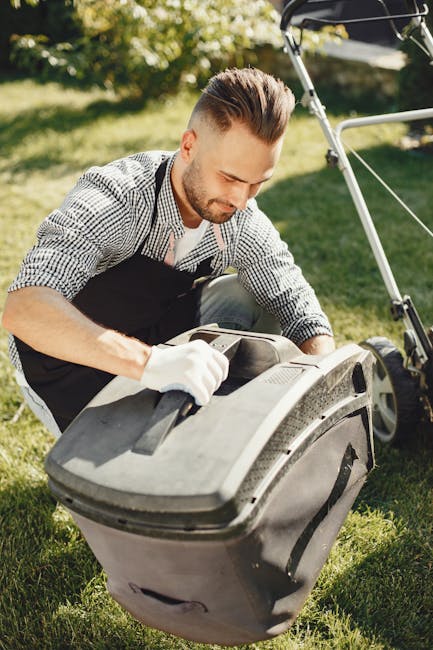
Mortlake gardeners same day emergency clearance and hedge work: fast, tidy, local help when the garden cannot wait
Sometimes a garden goes from "fine, we'll deal with it next weekend" to "we need this sorted today" in a matter of hours. A storm drops branches across the path. A hedge leans into a walkway. Green waste piles up after a clear-out and suddenly the space feels unusable. That is exactly where Mortlake gardeners same day emergency clearance and hedge work comes in.
This guide explains what same-day emergency garden clearance and hedge work actually involves, when it makes sense, what to expect from the process, and how to avoid the small mistakes that turn a straightforward job into an awkward one. If you are trying to restore access, reduce risk, or simply get control of an overgrown space quickly, you are in the right place.
For readers who want a broader view of available services, it can also help to look at the services overview, alongside related options such as garden clearance and hedge trimming. Those pages are useful if you are deciding whether you need a quick fix, a fuller tidy-up, or a more ongoing plan.
Practical summary: same-day emergency clearance is about making a garden safe, accessible, and manageable quickly; hedge work is about controlling growth, restoring shape, and preventing the sort of overhang that causes complaints, obstruction, or avoidable damage. Simple enough in theory. In practice, the details matter.
Table of Contents
- Why Mortlake gardeners same day emergency clearance and hedge work Matters
- How Mortlake gardeners same day emergency clearance and hedge work Works
- Key Benefits and Practical Advantages
- Who This Is For and When It Makes Sense
- Step-by-Step Guidance
- Expert Tips for Better Results
- Common Mistakes to Avoid
- Tools, Resources and Recommendations
- Law, Compliance, Standards, or Best Practice
- Options, Methods, or Comparison Table
- Case Study or Real-World Example
- Practical Checklist
- Conclusion
- Frequently Asked Questions
Why Mortlake gardeners same day emergency clearance and hedge work Matters
Emergency garden work is not just about appearances. It is often about access, safety, neighbour relations, and stopping a problem from getting worse. A fallen branch can block a side return. A hedge can grow so quickly that it starts narrowing a pavement-facing boundary. Wet, dense waste can attract pests or simply make a garden unpleasant to use. Nobody wants to step outside and find a mini jungle where the patio used to be.
In Mortlake, where gardens can be compact, shared boundaries common, and access routes sometimes narrow, the speed of the response matters almost as much as the quality of the work. A same-day visit can mean the difference between a garden that remains unsafe for another week and one that is usable again by evening.
There is also a very practical point: many garden issues escalate. A hedge left too long becomes harder to trim neatly. Heavy growth becomes woody. Loose waste starts to spread. What would have been a tidy trimming job can become a bigger clearance with additional time, labour, and disposal. Truth be told, gardens rarely improve by waiting.
Emergency clearance is especially valuable after:
- high winds or a storm that has scattered debris
- an urgent move-out, tenancy handover, or pre-sale tidy-up
- neighbour complaints about overhanging growth
- blocked access to a driveway, side passage, or rear gate
- an overgrown hedge creating privacy issues or safety concerns
- an unexpected accumulation of cuttings, branches, or waste
And if the work needs to be done properly rather than just quickly, it helps to choose a team that treats same-day response as a service standard, not a rushed afterthought. That distinction is easy to miss until you are looking at a half-finished garden and a pile of mess. Not ideal.
How Mortlake gardeners same day emergency clearance and hedge work Works
Same-day emergency garden work usually follows a fairly simple pattern. First comes the call or message, then a quick assessment of the issue, then a plan for the visit. Depending on the scale of the job, the team may arrive with cutting tools, waste bags, a van, and equipment for hedge shaping, branch removal, or green waste loading.
The goal is to prioritise the urgent parts first. If access is blocked, that gets opened up. If a hedge is dangerously protruding, that gets reduced to a safer profile. If the garden is cluttered with loose waste, that gets cleared so the space can be walked through without hassle.
For many jobs, the first priority is not perfection; it is control. That may sound obvious, but it is worth saying. A sensible same-day response often has two phases: immediate stabilisation, then finish-quality detailing if time and conditions allow.
Here is what that usually looks like in practice:
- Initial enquiry - You explain the issue, ideally with clear photos.
- Rapid triage - The team checks whether the job is safe, urgent, and achievable the same day.
- Arrival and access - Tools and waste handling are prepared so the work can start without delay.
- Clearance or hedge work - Debris is removed, hedges are trimmed or reduced, and the site is made safer.
- Final tidy-up - Loose material is collected, paths are swept, and the finished area is checked.
If you need supporting services before or after the emergency task, it may make sense to pair the visit with garden maintenance or, where the problem is broader, garden clearance. That can save you from the cycle of fixing one thing today and the next thing next week.
A useful point here: not all hedge jobs are equal. Some are light trimming. Others are shaped reductions, boundary restoration, or clearance around entrances and light sources. The more precise your explanation of the problem, the better the outcome tends to be. A quick "the hedge is fine" is not always, well, fine.
Key Benefits and Practical Advantages
The biggest benefit of same-day emergency clearance and hedge work is obvious: speed. But the real value goes beyond that. A properly handled urgent visit can reduce risk, improve access, and prevent a larger repair or maintenance bill later on.
Here are the practical advantages most people notice first:
- Immediate safety improvement - Paths, gates, and driveways become easier to use.
- Better kerb appeal - A cut-back hedge and cleared space instantly look more cared for.
- Less neighbour friction - Overhanging growth and spillover debris can be dealt with promptly.
- Lower stress - It is one less thing hanging over you, literally and mentally.
- Cleaner future maintenance - Once the overgrowth is under control, routine upkeep becomes easier.
There is also a subtle but important advantage: a same-day response helps you make decisions while the problem is still fresh. You can see what is urgent, what can wait, and what might need a longer-term fix. That clarity is worth a lot when the garden looks like it has had a rough week.
For some properties, emergency hedge work also helps protect light into the home or maintain clearer sight lines at entrances. For others, it is about keeping a rental property presentable between tenants or before an inspection. Different situations, same basic idea: restore order quickly and safely.
Expert takeaway: the best urgent garden work is not simply fast; it is fast, safe, and tidy enough that you are not left paying twice for the same problem.
Who This Is For and When It Makes Sense
This service is for anyone dealing with a garden problem that cannot reasonably wait for a normal maintenance cycle. In our experience, that usually includes homeowners, landlords, tenants with permission, letting agents, property managers, and small businesses with outdoor space.
It makes sense when:
- access is blocked or becoming difficult
- a hedge has become unsafe, unstable, or unsightly very quickly
- you need a property ready for guests, inspection, sale, or new occupants
- storm damage has left branches or green waste scattered around
- you are dealing with an overgrown boundary that needs quick reduction
- the garden has become difficult to use, even temporarily
It is also a good option if you have tried to tackle the work yourself and realised, perhaps after ten minutes, that the hedge trimmer is not the main issue. Sometimes the issue is volume, not effort. Too much growth. Too much waste. Too little time.
For customers considering wider improvements, a same-day urgent visit can be the first step before more planned work. That might include landscaping, landscape gardening, or even follow-on tasks like lawn mowing if the whole space needs a reset.
If the job is not urgent but is edging toward that point, it is still worth acting early. A hedge does not wait politely. It just keeps going.
Step-by-Step Guidance
If you want the smoothest possible same-day response, the quality of your first few steps matters a lot. A little preparation helps the team arrive ready to work rather than spending the first twenty minutes trying to untangle the basics.
1. Describe the problem clearly
Be specific. Say whether it is a fallen branch, a hedge encroaching onto a path, a large volume of cuttings, or a general clearance need. If there is a hazard, say that plainly.
2. Send photos if possible
A few well-lit photos can help show the size of the job, access points, and any obvious risks. Morning light is usually best. A dark, blurry photo from inside the kitchen? Less helpful, though we do appreciate the effort.
3. Make access easy
Open gates, move parked cars if you can, and clear a small route to the work area. Even a narrow clear path makes a difference when tools and waste bags need moving in and out.
4. Confirm what must happen the same day
Decide your non-negotiables. For example: "the side passage must be cleared," or "the hedge needs cutting back off the pavement." If time allows, anything beyond that is a bonus.
5. Check what waste removal is included
Emergency jobs often generate more green waste than people expect. Ask how cuttings, branches, and debris will be handled. A good service should leave the area tidy, not just cut.
6. Review the finish before the team leaves
Walk the space if you can. Look at access, safety, and the overall shape of the hedge. If something is not right, speak up then. Much easier than after everyone has gone home.
If you want to understand the business side of the visit, including how quotes are handled, the pricing and quotes page can help set expectations before the work begins.
Expert Tips for Better Results
Small details make a noticeable difference in urgent hedge and clearance work. The best results usually come from being clear about priorities and realistic about what can be done in one visit.
- Prioritise access first. If the team can get to the issue easily, the whole job tends to go more smoothly.
- Ask for a "safe and tidy" finish if time is tight. That wording helps focus the job on what matters most.
- Do not wait for the hedge to become massive. A lighter trim is faster, neater, and usually easier on the plant.
- Be honest about hidden waste. Compost heaps, forgotten branches, or bags of old cuttings can change the scope quickly.
- Choose the right level of service. A clearance job is not the same as a shaping trim, and a reduction is not the same as a quick tidy.
One practical tip that people often overlook: if a hedge borders a driveway, path, or road-facing edge, take a quick look from the outside as well as the inside. The outside view often reveals the real issue. From the garden, it can look "mostly fine." From the pavement, not so much.
To keep the space in better shape after the emergency work, consider regular visits through garden maintenance. That way, the next problem is usually a small one instead of a Saturday rescue mission.
Common Mistakes to Avoid
Urgent garden jobs are easy to underestimate. That is where things go sideways. A few common mistakes come up again and again, and they are all avoidable if you slow down for a minute.
- Calling too late. If the hedge is already causing obstruction or the garden is impassable, the job will be more complex.
- Assuming all gardeners offer same-day response. Not every team can mobilise quickly, and some jobs need special planning.
- Being vague about the problem. "It's a bit overgrown" is not enough when time is tight.
- Overfocusing on appearance. Sometimes safety and access come before perfect shaping.
- Ignoring disposal. A cleared hedge still leaves waste. Lots of it, sometimes.
- Trying to do a dangerous cut yourself. If branches are high, heavy, or unstable, it is better to call for help.
Another mistake is expecting emergency work to solve a long-term design issue. If a hedge is in the wrong place, or the whole garden layout causes constant access problems, you may need a more strategic solution later. That is where a service such as landscape gardening can be useful once the urgent situation is under control.
And yes, sometimes people apologise for "the mess" before the work even starts. Please do not worry about that. Gardens get messy. That is sort of the job.
Tools, Resources and Recommendations
Good emergency garden work depends on the right tools, but also on judgment. The sharp blade is only part of the story. A professional approach usually involves a combination of cutting equipment, waste handling gear, and a plan for access and cleanup.
Common tools and resources may include:
- hedge trimmers for shaping and cutting back soft growth
- loppers and saws for thicker stems or small branches
- gloves and eye protection for safer handling
- waste bags or bins for tidy removal of green waste
- loading equipment or a van for larger clearances
For larger or more awkward jobs, tree-related work may also be relevant. If the problem goes beyond hedge growth and into broken limbs, overhanging branches, or a tree that is affecting access, tree lopping and removal may be the more appropriate route.
Some useful recommendations if you are planning ahead:
- Keep gate keys or access codes ready.
- Move garden furniture away from the working area if you can.
- Note anything fragile near the hedge, such as lights or pots.
- Let the team know about uneven ground or slippery surfaces.
- Decide in advance whether you want waste removed or left bagged.
If sustainability matters to you, it is also worth asking how waste is handled. The recycling and sustainability page is a sensible reference point for how responsible waste handling fits into the wider service approach.
Law, Compliance, Standards, or Best Practice
Garden work in the UK can involve safety, access, neighbour boundaries, and waste handling, so a careful, practical approach is important. This is not the place for guesswork. If a hedge sits on a boundary, if branches are overhanging a shared area, or if there is any doubt about ownership, it is better to pause and clarify than to cut first and ask questions later.
Best practice usually includes:
- working safely around ladders, cutters, and uneven ground
- keeping pathways clear during and after the job
- disposing of green waste responsibly
- respecting boundary lines and access arrangements
- checking for hidden hazards before cutting begins
If you want peace of mind on the operational side, it is sensible to review health and safety policy and insurance and safety information before booking. That kind of transparency matters, especially for urgent jobs where the pace can tempt people to skip the boring but necessary checks. Boring is good here.
For formal terms on service scope, payments, and expectations, it can also help to look at terms and conditions and payment and security. If something is urgent, clear terms are calming. Nobody wants a surprise when the hedge is already half cut.
Options, Methods, or Comparison Table
Not every garden problem needs the same response. Sometimes a quick trim is enough. Sometimes clearance is the priority. Sometimes you need both, because the hedge is overgrown and the site is cluttered. Here is a simple comparison that may help you choose.
| Option | Best for | What it usually includes | Main limitation |
|---|---|---|---|
| Same-day emergency clearance | Blocked access, storm debris, urgent tidy-up | Removal of waste, opening paths, restoring basic usability | May not include detailed shaping or longer-term garden improvement |
| Same-day hedge trimming | Overhanging growth, privacy issues, neatness, boundary control | Cutting back, shaping, clearance of clippings | May not suit very large reductions or heavily neglected hedges |
| Combined clearance and hedge work | Gardens with both clutter and overgrowth | Cutting, waste removal, access restoration, tidy finish | Can take longer and may need clearer prioritisation |
| Planned maintenance visit | Regular upkeep, prevention, routine care | Ongoing trimming, mowing, small tidy-ups | Not suitable when the garden needs immediate attention |
As a rule, the more overgrown the hedge and the messier the site, the more valuable a combined approach becomes. If you are not sure which route to take, start with the urgent problem and build from there. That keeps the decision simple, and simple is good when time is short.
Case Study or Real-World Example
Here is a realistic example. A homeowner in Mortlake notices that after a windy night, several branches are lying across a side access path and a hedge is leaning over the front boundary, making the entrance feel tight and awkward. The garden is not a disaster, but it is messy enough to be annoying, and the path is no longer comfortable to use.
Rather than waiting, they request same-day help, send a few photos, and make sure the gate is open before the team arrives. The first task is clearing the path and removing loose debris. Next comes hedge trimming to bring the boundary back in line and restore a cleaner profile. The final step is a tidy sweep and waste loading, so the area is left usable again.
The key thing here is that the job is handled in the right order. Access first. Safety second. Finish quality third. That sounds almost too straightforward, but it works. And when you are standing in the garden at 6pm with daylight fading and no branches in the way, it feels much better than it did that morning.
In a slightly different scenario, a landlord needs an outside area presentable before a tenancy check-in. A quick clearance and hedge tidy can make the property feel looked after without turning it into a full redesign. If the space needs a more substantial reset later, it can be scheduled afterward. No drama, no panic.
Practical Checklist
Use this checklist if you want to be ready for a same-day visit and get the best possible result.
- Describe the urgent issue clearly
- Send photos of the hedge, debris, or blocked area
- Confirm access through gates, side paths, or rear entries
- Move cars, bins, or furniture if they obstruct the work area
- Decide what must be done today and what can wait
- Ask how clippings and green waste will be removed
- Check whether the hedge needs a trim, reduction, or full clearance
- Review safety and insurance information if the job is higher risk
- Walk the area once the work is complete
- Plan follow-up maintenance if the garden tends to grow back quickly
If you are not yet at emergency stage but know the garden is heading that way, it may be worth combining the visit with routine care through lawn mowing or longer-term garden maintenance. That small bit of planning can save a headache later on.
Get a free quote today and see how much you can save.
Conclusion
Mortlake gardeners same day emergency clearance and hedge work is about more than speed. It is about restoring order when a garden becomes difficult to use, awkward to look at, or potentially unsafe. Whether the problem is a hedge growing too far, debris after bad weather, or a space that simply cannot wait until next week, the right response is calm, practical, and tidy.
The best urgent garden work solves the immediate issue without creating a new one. It clears the access, trims the growth, removes the waste, and leaves you with breathing room again. That is what people usually want in the end: not perfection, just relief. And, to be fair, relief is often exactly what a cluttered garden needs.
When the job is handled well, you can stand outside later, hear the garden settle into silence again, and think, yes, that is better. Much better.
Frequently Asked Questions
What counts as emergency garden clearance?
Emergency garden clearance usually means any urgent situation where access, safety, or immediate usability is affected. That could be storm debris, broken branches, blocked paths, or a sudden build-up of waste that needs removing quickly.
Can hedge work really be done the same day?
Yes, if the job is manageable, access is clear, and the team has capacity. Smaller trims, urgent reductions, and boundary tidy-ups are often the most suitable same-day hedge tasks.
Is same-day work more expensive than planned maintenance?
It can be, because urgent work often needs faster scheduling and a more immediate response. The actual cost depends on the size of the job, access, waste removal, and the amount of cutting required.
Do I need to be home for emergency clearance?
That depends on access arrangements and the nature of the job. If the team needs entry through a gate or side passage, someone may need to be present or give clear instructions beforehand.
What should I send when asking for a quote?
Photos, a brief description of the issue, access details, and any time pressure are all helpful. The clearer the picture, the easier it is to estimate what the job involves.
Will the team remove all the hedge cuttings?
Usually, hedge work includes clearing clippings, but you should always confirm this before booking. Waste removal is an important part of a proper finish, especially on urgent jobs.
What if the hedge is on a boundary?
Boundary hedges can be sensitive, so it is sensible to confirm ownership or permission before any major cut. If there is any doubt, clarify first rather than risking a disagreement later.
Can emergency clearance include fallen branches?
Yes. Fallen branches are one of the most common reasons people need urgent help. If the branch is large or unstable, it may need more careful handling than ordinary green waste.
What is the difference between hedge trimming and hedge reduction?
Trimming usually means shaping and tidying the current growth. Reduction is more substantial and involves bringing the hedge back to a smaller size. The right choice depends on how overgrown it has become.
Should I also book routine maintenance after an emergency visit?
Often, yes. Emergency work fixes the immediate problem, but regular maintenance helps prevent the same issue returning too quickly. It is a sensible next step if growth is fast or the garden is hard to keep on top of.
How quickly can a garden be made usable again?
That depends on the condition of the site, but many urgent jobs focus first on restoring access and safety. A garden can often feel usable again very quickly once the clutter and blocking growth are removed.
Where can I find more about the wider services available?
The services overview is a useful starting point if you want to compare urgent clearance, hedge work, and broader garden care options. If you are ready to make the problem go away properly, that is usually the next sensible step.